The 2026 Spotify Gen Z Report, titled Culture Next, has just been released. Spotify and Quilt.ai analyzed 4.2 million tracks and 680,000 podcast episodes. Gen Z now accounts for 35% of Spotify’s audience and streams two hours of music per day on average. For independent artists, labels and distributors, these signals are a game changer. Here are the actionable takeaways from the Spotify Gen Z Report 2026, stripped of the platform’s usual marketing gloss.
Culture Next: why this edition matters this year
Spotify has published its Culture Next report every year since 2019. The 2026 edition marks a turning point. Gen Z, born between 1997 and 2012, has become the majority cohort on the platform. According to the American business daily WWD, this group represents 35% of Spotify users worldwide.
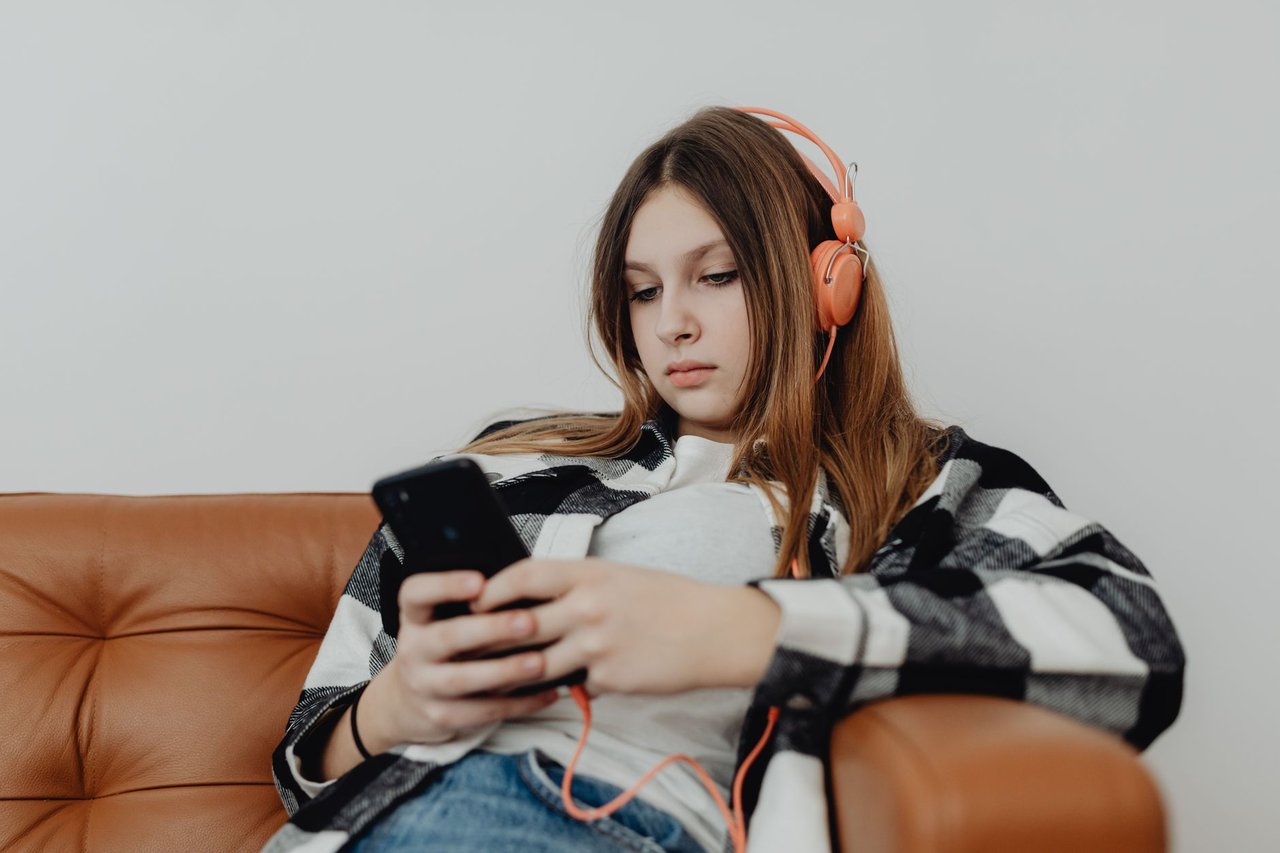
The context is unprecedented. Young Gen Z listeners spend two hours streaming per day on average. They no longer consume music the way their elders did. FM radio, legacy media and music blogs are sliding to the margins. Their daily soundtrack plays out on algorithms, editorial playlists and the short loops of social platforms. The role of radio in music promotion in France keeps shifting, as we analyzed in our FR radio vs DSP playlists comparison. The implication for labels and managers is concrete. Editorial and algorithmic curation now decides which catalog moves on a given week, not the broadcast spin count.
For this study, Spotify’s analytics team partnered with Quilt.ai, a specialist behavioral analytics firm. The scope is wide. 4.2 million tracks and 680,000 podcast episodes were combed through. The official Spotify Advertising platform publishes the full results on its dedicated site, freely accessible to brands and agencies.
Spotify breaks Gen Z into three sub-groups to sharpen the analysis. High school students, aged 14 to 18. College-aged adults, 19 to 23. Young professionals, 24 to 29. Each tier reveals distinct behaviors. This granularity is directly relevant to label marketing teams and artists who want to calibrate their promotional campaigns on each sub-segment. The same playbook does not apply across the fifteen-year span of the cohort.
Key figures from the Spotify Gen Z Report 2026
The Culture Next report stacks data points Spotify rarely shares. First finding. Loyalty to artists peaks in high school. One stream in eight, among 14-18 year-olds, goes to the fan’s top 20 artists. That ratio drops afterward. Young professionals become less devoted. In return, they grow more demanding on playlist and podcast curation.
Second finding. Discovery explodes at the same age. High school concentrates peaks of new-artist exploration. The college transition introduces new social environments. The listening map expands. But the top 20 of artists stays a strong emotional anchor. This mechanism echoes the dynamics we already described in our piece on music streaming saturation 2026 and its effects on attention concentration.
“Gen Z defies easy generalizations, which makes sense when you consider the generation spans 15 years. A ninth grader and a young professional have almost nothing in common developmentally and that’s always been the case. But what’s interesting about this particular cohort is that they’re the first generation to live through every life stage on the same platforms. The social media algorithm has swiftly flattened culture, and now everyone’s exposed to the same trends and the same memes at the same time.”
— Casey Lewis, in Spotify’s Culture Next 2026 report.
Third finding from this study. Thematic obsessions crystallize around three major streams. Brazilian funk has become the fastest-growing music genre among Gen Z listeners. Horror and true crime dominate the podcast side, with millions of weekly downloads tracked in the report. Wellness culture, sports and mental health structure morning and evening playlists. Three rivers of attention, three positioning territories for brands and independent artists looking to ride the wave without sounding opportunistic.
What these signals change for music promo
The expert read of this study fits in one formula. Tastes shift fast, engagement stays stable. In other words. A 15-year-old fan who streams two hours per day will, at 28, still stream two hours per day. Only the content changes. This data point structures a long-term music promo strategy.
First implication. Forget the chase for the isolated stream. Gen Z does not listen to one track once, then move on. They build a loyalty repertoire. They revisit it season after season. Superfans emerge by the end of high school. They monetize through merchandising, concert tickets and limited physical editions more than through raw streams.
Second implication. Playlist curation outranks volume. Young professionals filter their feeds. Spotify confirms this in its report. For an indie artist, landing a slot in a targeted editorial playlist beats wide and lukewarm exposure. A Brazilian funk or true crime soundtrack playlist opens more doors than a generic push. Our deep dive on Spotify Discovery Mode already shows how algorithmic curation drives ROI.
Third implication. Podcasts are an under-exploited entry point. 680,000 episodes analyzed: this is not anecdotal. Gen Z listens to music and podcasts in the same session. A music placement in a horror, true crime or wellness podcast can drive deeper discovery than a classic ad placement. Podcasters become tastemakers, just like commercial radio used to be.
Fourth implication. The French market must reckon with Brazilian virality. Brazilian funk travels up algorithmic bridges between São Paulo, Lisbon and Paris. Francophone distributors gain from signing or licensing Lusophone catalogs. Independent artists can test transatlantic collaborations to ride the traction. Per-country listening data becomes a strategic asset. A simple split of the artist’s Spotify for Artists audience by country reveals which territory deserves the next ad budget.
Fifth implication. Fan-first marketing takes precedence over volume marketing. Spotify states this plainly in the report. A successful campaign reaches a fan in their screenless moments. The gym, the commute, the cooking break. Streaming becomes the permanent backdrop of an entire generation’s daily life. Audio creative briefs need to evolve in line with this constant, ambient presence rather than chase the spike of a launch week.
Implications by profile: artists, labels, distributors
For the independent artist
The most profitable angle is not the stream at any cost. It is building a superfan core right at single release. This runs through a centralized link that bundles Spotify, Apple Music, Deezer and YouTube Music. Fan data stays artist-side, not DSP-side. Smartlink tools like band.stream automate this routing by platform and territory. Meta Pixel, Google Analytics 4 and UTMs are native. The artist can steer a campaign from a single dashboard instead of juggling five interfaces.
For the independent label
This study invites labels to segment the roster by audience profile. An artist who reaches 14-18 year-olds does not call for the same playbook as an artist who reaches 24-29 year-olds. Average audience age data, available through Spotify for Artists, calibrates Meta and YouTube ad campaigns. A multi-artist dashboard makes this cross-roster read easy. The marginal cost of an inter-artist comparison drops to near zero.
For the distributor or publisher
Cross-genre algorithmic bridges open catalog opportunities. Brazilian funk, for instance, draws audience pools in France and Portugal. The distributor who licenses this kind of catalog, or who weaves it into promo tools, captures a natural Gen Z pull. Targeting becomes geographic as much as generational on streaming platforms. Country-by-country data steers editorial bets month after month. The publisher who anticipates a wellness or true crime sync window can place tracks in podcasts and short-form video well before the genre saturates.
How to activate these insights with a modern smartlink
The Spotify Gen Z Report 2026 lays out a clear behavior map. The next step is activation on the promo side. Centralizing stream flows on a single trackable URL allows independent artists to recover fan data instead of leaving it to DSPs. Tools like band.stream automate routing by territory and device. Meta Pixel, GA4, UTMs and ticketing are native. Pro tracking costs five euros per month, against 25 to 46 euros at Linkfire or Feature.fm. For an artist calibrating their promo on Gen Z insights, the cost gap matters as much as the analytics gap. Data stays hosted in Germany, outside the US Cloud Act, under CNIL (the French data protection authority) jurisdiction.