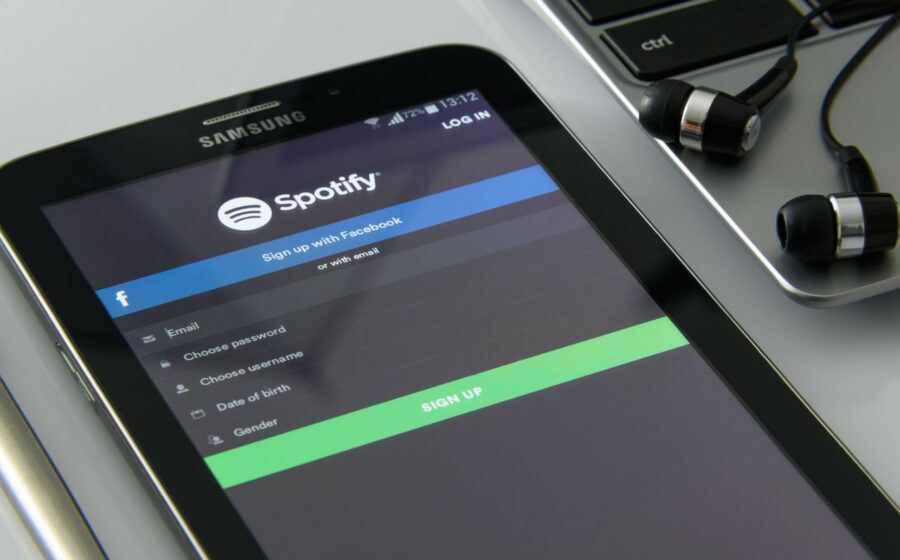

Spotify video upload is now open to artists in beta as of June 17, 2026. Tens of thousands of Spotify for Artists accounts can now publish music videos, live performances, and covers directly — no distributor required. Every upload is royalty-bearing and may be chart-eligible. Spotify quantifies the promise: +64% more streams of the matched track in the three weeks following a video view. It’s a product shift for indies. And a clear shot across YouTube’s bow, which still owns the global music video market.
Direct Spotify video upload is live as of June 17, 2026
The feature went into beta on the Spotify for Artists dashboard on Wednesday, June 17, 2026. Spotify cites “tens of thousands” of artists eligible from day one, with a gradual rollout planned through the year. Distribution via labels and distributors stays the primary delivery path for both audio and video. Direct upload is an additional channel — not a replacement.
Four formats are accepted at launch: official music videos, live performances, acoustic or studio sessions, and covers. The technical envelope is tight: landscape 16:9, length between 30 seconds and 20 minutes. Visualizers, lyric videos, multi-song concerts, and music-less clips remain excluded for now. Each video must be tied to a specific song or release in the artist’s catalog.
Spotify is also expanding the surface area of the format. Videos surface in Videos For You, the personalized video playlist. They also appear in editorial playlists: Today’s Top Videos, Live Performances, and Video Covers. Plus the Video tab on the artist profile, the Now Playing screen, and fan push notifications. Spotify generates short-form previews for every video automatically — no extra step on the artist side.
This opening fits a tight timeline. Spotify launched music videos in beta across 11 markets in March 2024, before expanding to Premium subscribers in the US and Canada in December 2025. Independent artists could already deliver clips through DistroVid, the DistroKid service launched in June 2025. They can now bypass the distributor chain completely on this specific channel.
The numbers that make the offer serious
Spotify’s product pitch rests on four internal metrics. They were measured against Premium users in the US and Canada who have been consuming clips since December 2025.
First data point: after viewing a video, the listener streams the matched track 64% more often over the next three weeks, on average. Second effect: that listener is 1.4 times more likely to save, share, or playlist the track. Third effect, broader: the same listener streams the rest of the artist’s catalog 57% more across the same window.
Fourth metric, the most relevant for indies. Super listeners — an artist’s most active fans, a segment surfaced in the Spotify for Artists dashboard — add 62% more streams on the artist after a video view. Spotify pegs the effect at more than one hour and forty minutes of additional listening time per fan, over three weeks.
“One thing we’ve seen consistently is that streaming videos leads to more listening. Because full-length music videos are royalty-bearing, artists can earn from the video itself as well as the listening that follows.”
— Spotify, official blog post, June 17, 2026
Dual monetization is what sets Spotify’s offer apart from YouTube. On YouTube, a view pays the view. On Spotify, the view pays the video and triggers additional audio streams that pay listening. Music Business Worldwide frames the move as a direct ramp-up against YouTube, which still owns the global music video market.
Why Spotify is pushing hard on video right now
Spotify has a precedent worth remembering. The platform opened direct audio uploads to indies back in 2018, then shut the program down a year later. The choice at the time: stay a customer of labels and distributors instead of a competitor. Seven years on, the video pivot flips that script.
This time, Spotify is playing with a different asset. Video is a format where YouTube has never lost ground. And an audio platform can enter it with a unique angle: the combination of audio listening and a paid video view. That’s exactly what the Swedish streamer is going after this summer.
Competitive pressure also pushes the decision. The platform launched the Reserved ticketing feature in the US in parallel, partnered with Live Nation and Ticketmaster. Per Bloomberg, it is also negotiating video rights with major festivals. Seen from Stockholm, the trajectory is explicit. Spotify is leaving its pure audio player status to aim for a music super-app, where each format feeds the others: audio, video, ticketing, super-fan.
Practical consequence: the Clips feature, launched in 2023 for vertical short-form, is on the shelf. Spotify is no longer accepting new Clips uploads, and the Clips tab will morph into a Video tab over time. Existing Clips uploads remain live. The bet: a unified, longer video format, tied to a track, more lucrative on the label side and more actionable on the algorithm side.
On business model, video is treated as full-fledged music content. It triggers royalties on par with audio. It is chart-eligible. For comparison, Spotify’s RADAR program for emerging artists had already proven the boost effect of internal curation. Video adds another signal for the algorithm: a fan who watches engages more deeply than a fan who just listens.
YouTube remains the angle to watch. Spotify openly wants to expand its share of the video market. YouTube won’t back down. But for an indie artist deciding where to post a live session, the trade-off changes. On YouTube, video pays through ads. On Spotify, video pays through royalties plus the audio listening it triggers. YouTube’s ecosystem keeps its edge on indie discovery. But the economic trade-off is shifting.
What this changes by profile
DIY artist (0 to 50,000 monthly listeners)
Before direct Spotify video upload went live, publishing a clip on the platform meant going through a distributor like DistroKid via DistroVid, TuneCore, or CD Baby. Today, you wait for your beta invite — a public waitlist exists on Spotify for Artists — then publish directly. First reflex to build: a studio session shot on phone for 200 dollars now holds the bar. No need for a 5,000-dollar clip to activate the 64% boost Spotify cites. A cover, an acoustic live at home, a studio session: it all fits the eligible format.
Pro artist (50,000 to 500,000 monthly listeners)
You probably already have DistroVid live through DistroKid, or a distributor that delivers video. The question becomes: is it better to deliver one clip via the distributor, or to multiply video formats through direct upload? Spotify’s answer is implicit. An artist who publishes 4 videos tied to the same track triggers 4 algorithmic boost windows, instead of one. Test it on your next release.
Indie label and distributor
For a label with a roster of 5 to 50 artists, the question is tooling. Centralizing video uploads, tracking which artists are in beta, measuring the impact on audio streams per track: that’s a data project to open fast. The distributor keeps its key role on primary audio delivery. It loses some leverage on accessory video. As the TikTok-UMG deal showed on short-form, every new video channel rebalances the value chain between artist, label, distributor, and platform. For music publishers, royalty-bearing video opens a new publishing revenue line to track.
Conclusion: video becomes a strategic channel again
A royalty-bearing video format on Spotify is more than a product gadget. It is a new promo lever that lines up with the smartlink, Meta ads, and fan emails in the indie stack. For an artist steering a release from a single tool, the play gets simple. The job is to route every clip view to the highest conversion: Spotify pre-save, merch sale, or ticketing. Direct Spotify video upload should therefore be designed as a node in your conversion tree — not as a standalone channel.
Video pays the video. Then it pays the audio it triggers. For the first time, an audio platform offers this double monetization to indies.
Smartlinks & music marketing, no fluff.
Centralize smartlinks, ad campaigns and analytics in a single tool. €5/month, ready in 30 seconds, data hosted in the EU.
Request access →